
Vertigo 101
AI Experiments: Hitchcock’s use of spirals in Vertigo

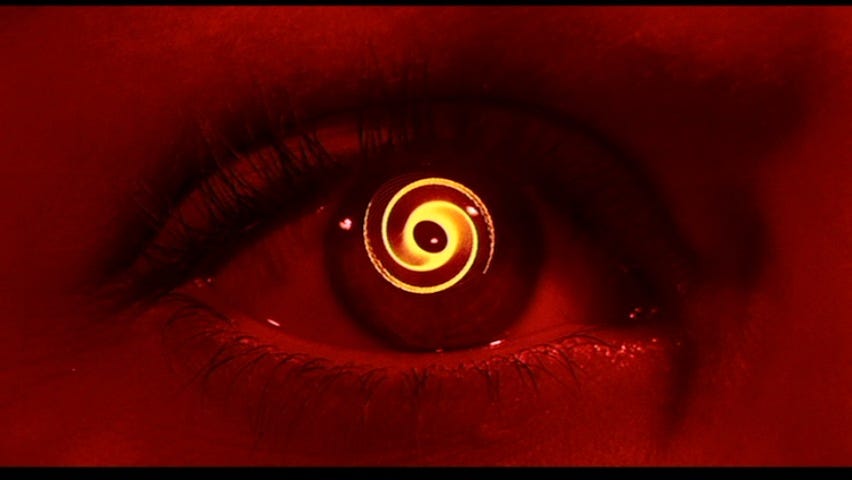
Entangled in Illusion: The Spiraling Grip of Hitchcock's Vertigo
Alfred Hitchcock, the undisputed master of suspense, was a maestro of visual language. In his 1958 masterpiece, Vertigo, he goes beyond mere thrills, crafting a cinematic experience where the image itself becomes a labyrinth, and no motif is more potent than the spiral. From the opening credits to the dizzying climax, the spiral weaves its way through the narrative, embodying Scottie's descent into obsession, madness, and ultimately, self-discovery.
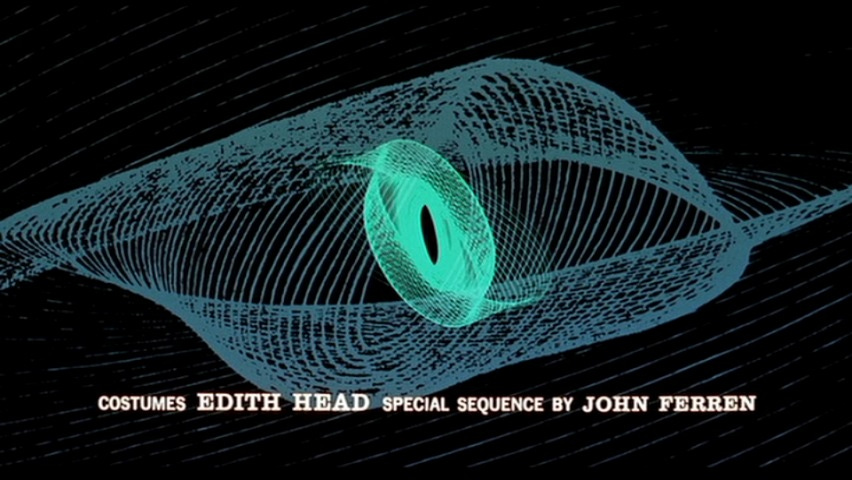
The Birth of Illusion: A Spiromatic Descent
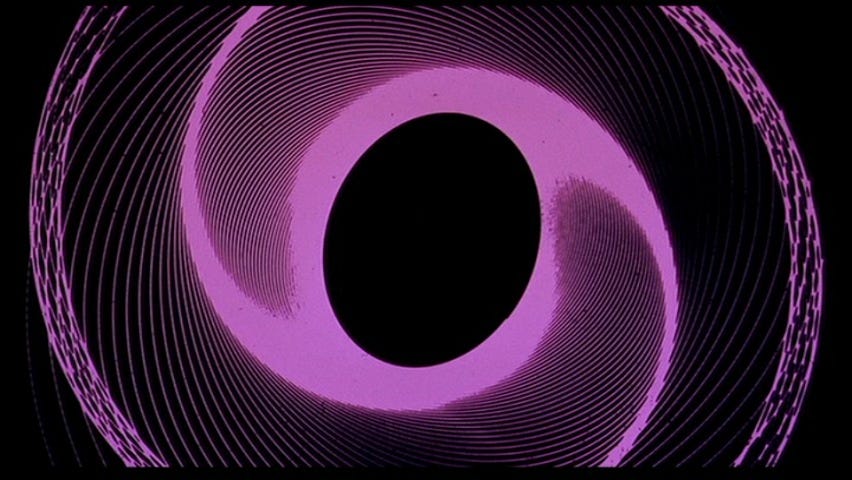
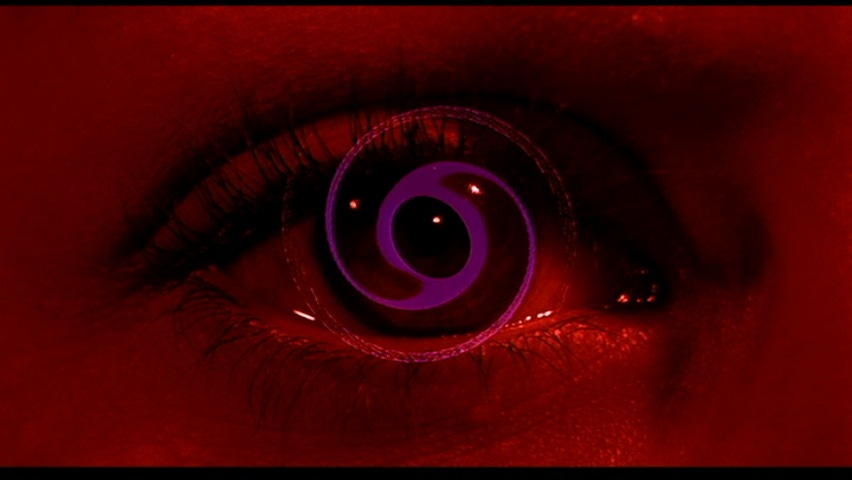
The film opens with Saul Bass's iconic title sequence, where hypnotic spirographs twist and turn, forming an abyss of swirling lines. This visual prelude sets the stage for the film's exploration of perception and deception. As Scottie, our acrophobic protagonist, is drawn into the web of Madeleine's duplicity, the spiral becomes a recurring motif, mirroring his own spiraling descent into obsession.
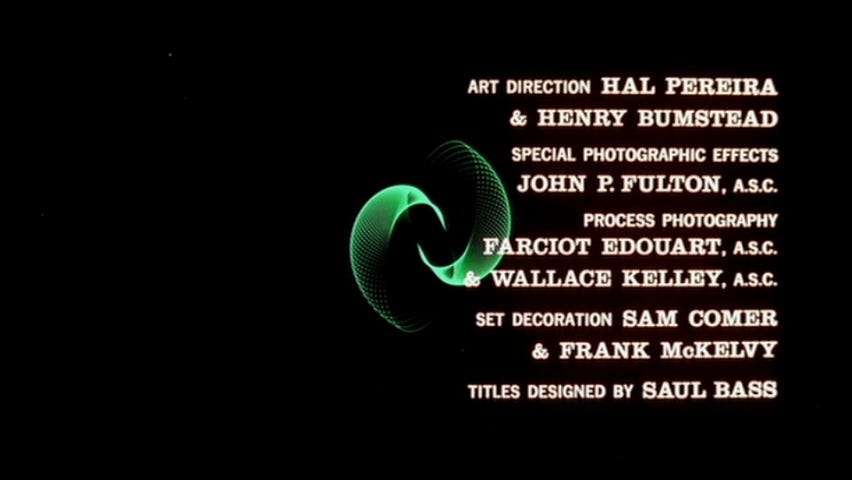
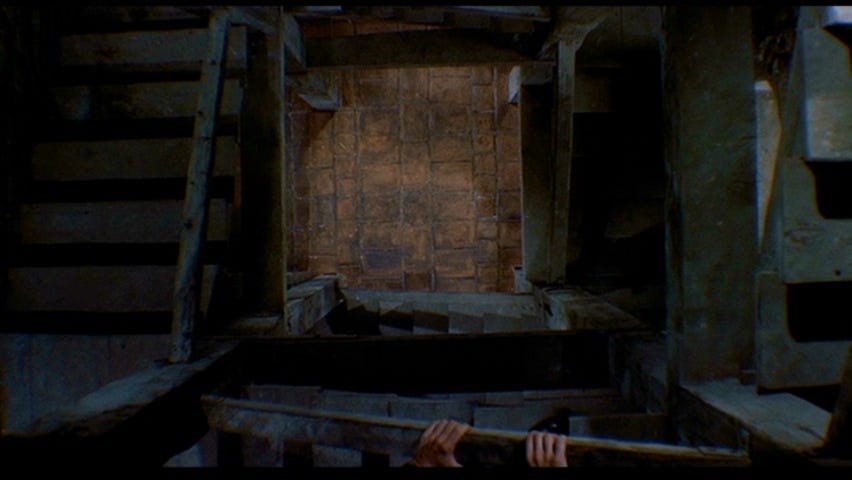
Vertigo's Visceral Landscape: Spirals of Fear and Desire
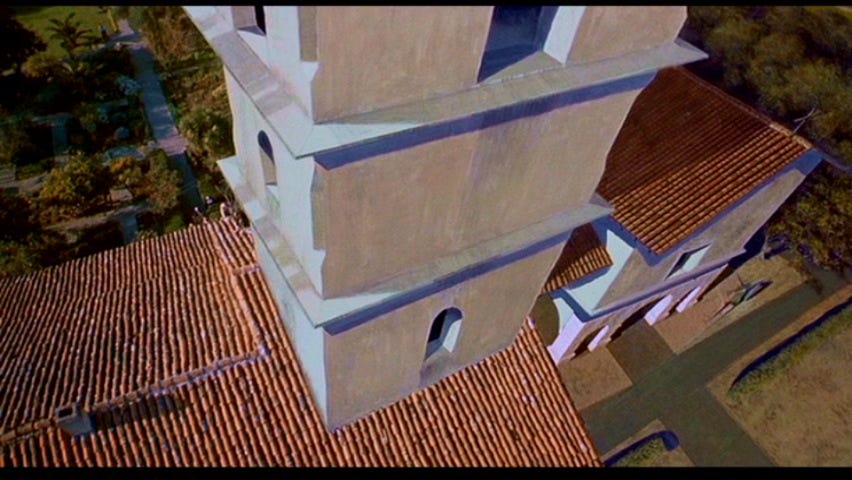
The architecture of the film becomes a canvas for the spiral. The winding staircase of the Elster house, the spiraling chandelier at the tower party, even the cobblestones of San Francisco streets – all echo the vortex of Scottie's unraveling sanity. These visuals are not mere scenery; they are visceral manifestations of his fear, his dizzying desire for Madeleine, and the ever-tightening grip of his delusion.
Camera Work and the Vortex of Perception:
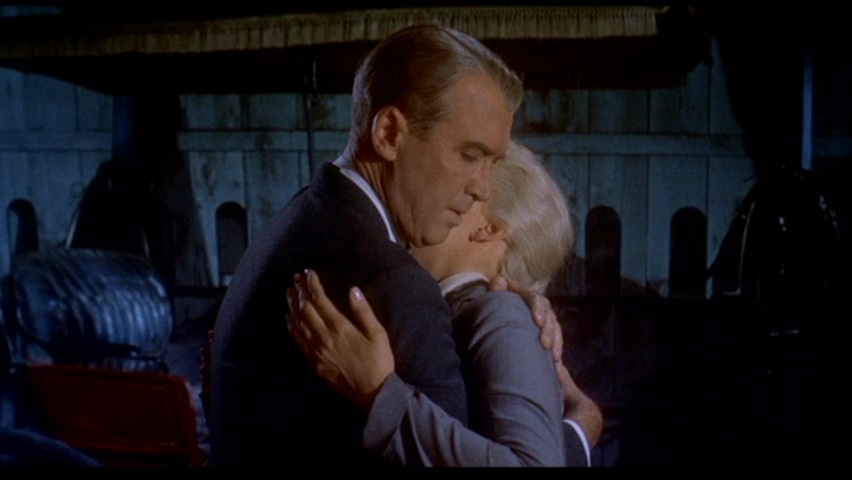
Hitchcock doesn't just depict spirals; he uses the camera to make us experience them. Dutch angles, distorted perspectives, and dizzying zooms contort the world around Scottie, mirroring his distorted perception. We, the audience, are thrust into the vortex with him, feeling the disorientation and loss of control that he faces. This masterful use of camera work makes the spiral not just a visual motif, but a visceral experience.
Beyond Scottie: The Spiral's Echo in the Narrative
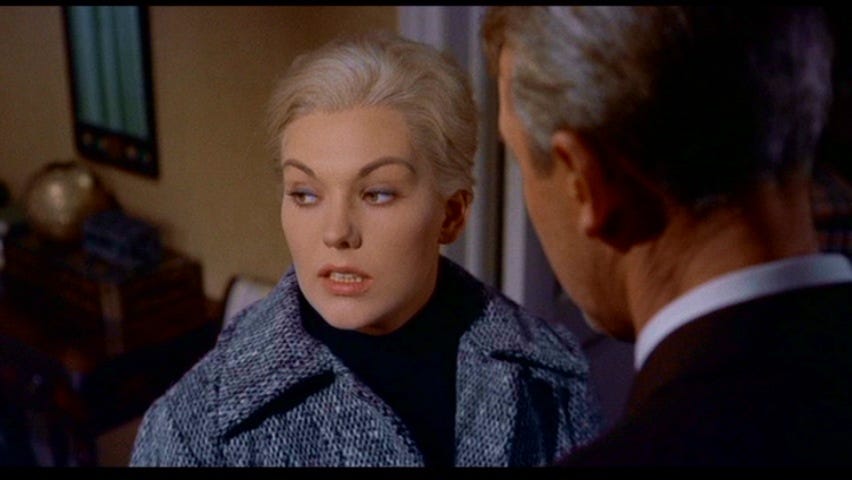
The spiral's influence extends beyond Scottie. It echoes in the deceptive circles Madeleine weaves around him, in the hidden secrets coiled within the Elster family, and even in the cyclical nature of the narrative itself. The film's timeline spirals back upon itself, revisiting key moments and blurring the lines between past and present, mirroring the disorienting loops Scottie is trapped in.
Deeper than Symbolism: The Spiral as a Metaphor
The spiral in Vertigo is more than just a symbol; it's a metaphor for the human condition itself. It represents our tendency to get caught in cycles of obsession, denial, and illusion. It reminds us that perception is subjective, and truth can be easily obscured by our own biases and desires.
The Unraveling and the Hope Within:
Ultimately, the spiral in Vertigo is not an endless loop of despair. As Scottie confronts the truth and begins to unravel his obsession, the spiral becomes a path towards self-discovery. The dizzying descent leads to a moment of clarity, a recognition of his own role in the web of deception. And in that moment, the spiral loses its power, leaving a sense of melancholic acceptance in its wake.
Composed with ChatGPT 3.5
Excellent & perceptive analysis.