
Vertigo's Second Life:
The Film's Resurrection in Popular Culture

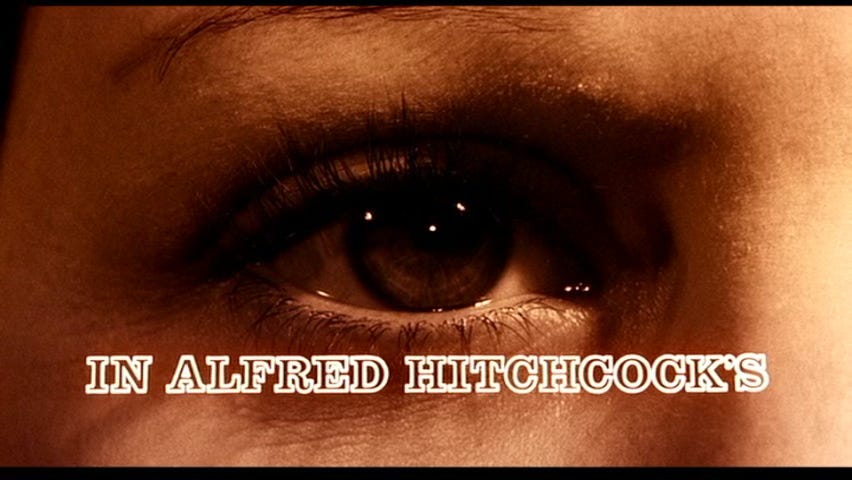
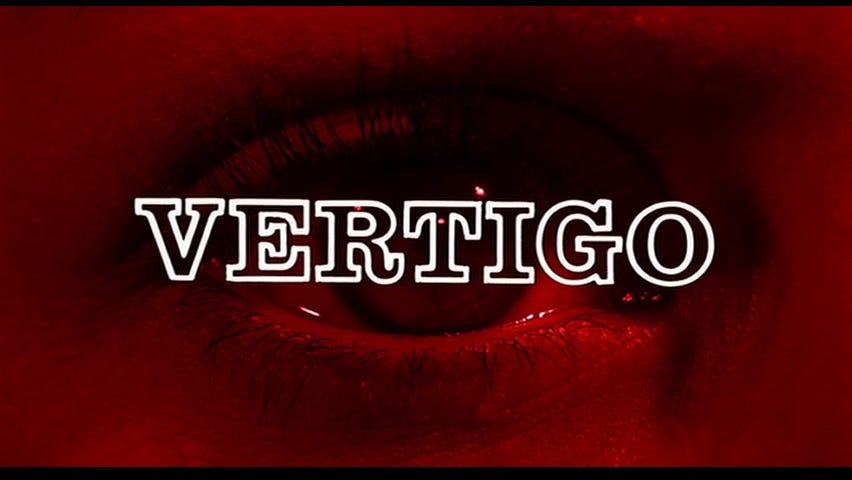
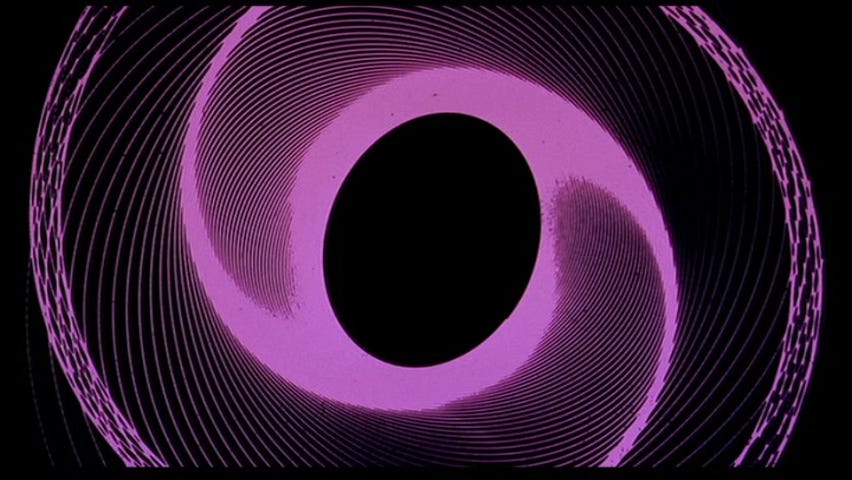
Few films in cinema history have undergone as dramatic a critical resurrection as Alfred Hitchcock's "Vertigo." When it premiered in 1958, the film was met with lukewarm reviews and disappointing box office returns, dismissed by many critics as a cold, overly complex thriller that lacked the commercial appeal of Hitchcock's earlier successes. Variety called it "slow-paced" and suggested it would "leave audiences restless." The New York Times review was politely dismissive, praising the technical aspects while questioning the psychological credibility of the story. Yet today, "Vertigo" stands as perhaps the most celebrated film in cinema history, having toppled "Citizen Kane" from its throne in the prestigious Sight & Sound critics' poll. This transformation from commercial disappointment to critical consensus represents one of the most remarkable examples of artistic revaluation in film history.
The initial reception of "Vertigo" reflected the expectations of 1950s audiences who came to Hitchcock films expecting straightforward suspense and clear moral frameworks. Instead, they encountered a deeply psychological study of obsession that offered no easy heroes or villains, no comfortable resolution, and no reassuring moral message. The film's deliberate pacing, complex narrative structure, and ambiguous ending frustrated viewers accustomed to more conventional thrillers. Even Hitchcock himself seemed disappointed by the response, later calling it one of his personal favorites while acknowledging its commercial failure.
The film's resurrection began in the 1960s, coinciding with the emergence of auteur theory and the French New Wave's celebration of Hollywood directors as artists rather than mere entertainers. Critics like François Truffaut and Jean-Luc Godard championed Hitchcock as a serious filmmaker whose work deserved the same respect accorded to European art cinema. The famous book-length interview between Truffaut and Hitchcock, published in 1966, devoted significant attention to "Vertigo," with Truffaut praising its psychological complexity and visual sophistication. This critical advocacy from respected European filmmakers helped reframe "Vertigo" as an overlooked masterpiece rather than a commercial misstep.
The rise of film studies as an academic discipline in the 1960s and 1970s provided another crucial platform for "Vertigo's" rehabilitation. University film courses began treating cinema as a legitimate art form worthy of serious analysis, and "Vertigo" proved particularly rich for academic interpretation. Its complex themes of identity, desire, and the male gaze made it perfect for emerging theoretical frameworks, particularly feminist film criticism and psychoanalytic approaches to cinema. Laura Mulvey's influential 1975 essay "Visual Pleasure and Narrative Cinema" used "Vertigo" as a key example of how classical Hollywood cinema structured the male gaze, transforming the film into a cornerstone text for feminist film theory.
The growth of repertory cinema and film societies in major cities during the 1960s and 1970s allowed "Vertigo" to find its audience through repeated screenings and word-of-mouth advocacy. Art house theaters in New York, San Francisco, and Los Angeles regularly programmed Hitchcock retrospectives, introducing new generations of viewers to the film under more appropriate viewing conditions than its original commercial release. These screenings often featured program notes and discussions that helped audiences appreciate the film's subtleties, creating a community of cinephiles who became passionate advocates for its artistic merit.
The home video revolution of the 1980s proved crucial to "Vertigo's" continued rise in reputation. For the first time, viewers could study the film frame by frame, pause to appreciate Hitchcock's visual compositions, and watch it multiple times to understand its complex narrative structure. This intimate engagement with the text revealed layers of meaning that had been difficult to appreciate in theatrical screenings. Film students and scholars could now analyze specific sequences in detail, leading to increasingly sophisticated interpretations that enhanced the film's reputation as a work of art rather than mere entertainment.
The film's legal unavailability during much of the 1970s and early 1980s paradoxically contributed to its mystique. Along with four other Hitchcock films, "Vertigo" was withdrawn from circulation due to rights issues, making it nearly impossible to see except in rare archival screenings. This scarcity transformed the film into something of a holy grail for film enthusiasts, discussed in reverential tones by those lucky enough to have seen it. When the films were finally re-released in theaters in 1983 and later on home video, the pent-up demand and heightened expectations contributed to their rapturous reception.
The 1990s marked "Vertigo's" full transformation into a canonical masterpiece. The film began appearing regularly on critics' top ten lists, and film scholars produced increasingly sophisticated analyses of its themes and techniques. The 1996 restoration project, which revealed the film's visual splendor in unprecedented detail, provided another catalyst for critical reappraisal. Seeing "Vertigo" in its restored form was a revelation for many viewers, demonstrating how technical deterioration had obscured Hitchcock's precise color symbolism and visual design.
The rise of internet film culture in the 2000s created new platforms for "Vertigo" advocacy. Film blogs, online forums, and streaming services allowed passionate advocates to share their enthusiasm with global audiences. The film's complex themes proved particularly appealing to a generation of viewers comfortable with psychological ambiguity and moral complexity. Online discussions dissected every frame, creating a rich community of interpretation that continues to expand the film's reputation.
The 2012 Sight & Sound poll, which crowned "Vertigo" as the greatest film ever made, represented the culmination of its critical resurrection. The poll, conducted every ten years among international critics and filmmakers, had featured "Citizen Kane" at the top since 1962. "Vertigo's" victory represented not just the triumph of one film but a shift in critical values toward psychological complexity, visual sophistication, and thematic ambiguity over narrative innovation and social commentary.
This critical success has had profound influence on contemporary filmmakers. Directors like Brian De Palma, Martin Scorsese, David Lynch, and Christopher Nolan have explicitly cited "Vertigo" as an influence, incorporating its themes of obsession, identity manipulation, and unreliable narration into their own work. Films as diverse as "Body Double," "Mulholland Drive," "Black Swan," and "Inception" bear clear traces of "Vertigo's" DNA, ensuring its continued relevance to new generations of viewers.
The film's influence extends beyond cinema into broader popular culture. Its themes of surveillance, identity construction, and the power of images resonate strongly in our digital age, where social media allows for constant identity performance and manipulation. The film's exploration of how technology can be used to create false realities feels remarkably prescient in an era of deepfakes and virtual reality.
Film schools worldwide now treat "Vertigo" as essential viewing, ensuring that each new generation of filmmakers encounters Hitchcock's masterpiece at a formative stage in their education. The film has become a touchstone for discussions of cinematic technique, narrative structure, and thematic complexity, guaranteeing its continued influence on future filmmakers.
The transformation of "Vertigo" from commercial disappointment to critical consensus demonstrates how artistic merit can ultimately triumph over initial market reception. The film's resurrection reflects broader changes in how we evaluate cinema, moving from simple entertainment value to consideration of psychological depth, visual sophistication, and thematic resonance. In celebrating "Vertigo's" second life, we celebrate the possibility that true artistic achievement will eventually find its audience, even if that audience needs time to develop the sophistication necessary to appreciate such complex work.
Today, "Vertigo" stands not just as Hitchcock's masterpiece but as a testament to the power of sustained critical advocacy and the importance of preserving and re-examining our cultural heritage. Its resurrection reminds us that initial reception is not the final word on artistic merit, and that some works of art are simply ahead of their time, waiting for the world to catch up to their vision.
Love it! Dan, I re-read your “Making of Vertigo” and “Hitchcock’s Notebooks” periodically, and I’m pleased to find your Substack. Somehow it came to me as a tangent from the “Mark Talks Art” four-part series on “Vertigo” on YouTube. If you haven’t watched, you might want to. Its focus on masculine and feminine in “Vertigo” was especially enlightening for me. I understand that you’ve written on this too. Will I find it in your Substack? I’ll look soon. I’m fairly new to the platform, and I’ll likely stumble around. But I’m determined! Thanks for your scholarship.
One never tires of watching this multi-layered film. Each viewing reveals new aspects of the story line, never the same while leading us down new corridors. Bernard Herrmann’s iconic music score is a masterpiece.